Layers instead of one bulky jacket
Tom · 29.01.2026
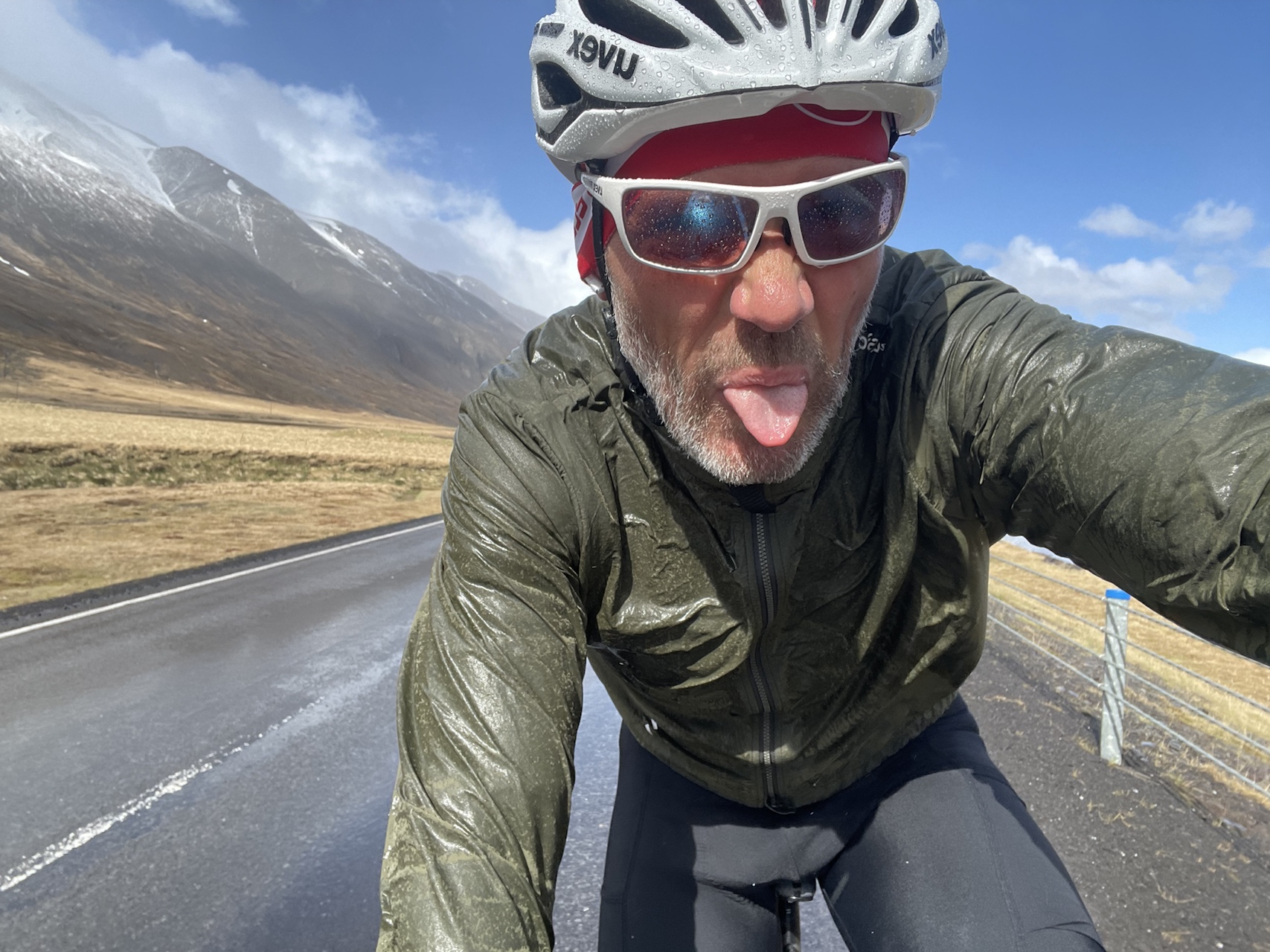
Multi-day rides: less the weather at the start than adapting fast—sweat on climbs, wind on cols, cold on descents, easing off in camp. One thick jacket turns into a compromise that fits nowhere.
On my NorthCape4000 packing list, the same idea shows up—with real items, not a shopping list. The point is how the roles are filled, not copying every brand.
Three roles, kept separate
- Base layer: moves moisture away from the skin. Synthetic or merino, fitted enough that it does not bunch. For long days, a spare shirt in a bag or saddle pack pays off.
- Insulation: holds warmth without blocking all airflow. Fleece or light synthetic fill, tuned to expected cold and personal preference.
- Protection: wind- and rain-resistant (or at least windproof), usually over insulation so moisture can escape from inside. Many riders use a packable hardshell or a tough wind jacket plus separate rain gear.
From the NC4K kit: Base layer against the skin—I will most likely stick with Assos here again. When it cools off, Castelli Nano Flex arm and leg warmers plus light Albion insulation for stops and breeze; in between, without rebuilding the stack, the Albion Burner: under the jersey, tucked under the bib straps—quick extra insulation around the core. On top, Rapha GTX Pro and short Löffler GTX rain bottoms, with waterproof socks and overshoes when needed. Same modular logic—your exact picks may differ.
If one layer is “too much,” it goes in the bag; if something is missing, you often notice too late. That is why we prefer to shake down a system on local rides in changeable weather before a big trip.
Pack volume vs. flexibility
Several thin pieces can look bulkier than one thick jacket at first. In practice, thin layers stack more predictably, dry faster, and can be worn individually in camp or at stops. After rain, often only the shell is wet while base and insulation stay comfortable. In ultra mode, that matters twice: every piece has to earn its space.
Gloves, hat, collar
Small accessories have an outsized effect on how you feel. Thin liner gloves, a hat or neck gaiter, a base layer with a collar against drafts—little weight, big payoff for focus and morale. In practice: short Castelli gloves on the bars and warmer Q36.5 in reserve, plus helmet caps and a Buff—instead of one glove to rule them all.
One kit for NC4K—and which bibs?
You may wonder how many clothing sets I pack for NC4K—for me: one. No second bib, no second jersey. Where I can, I shower in the kit in the evening, wring it in a towel, and put it back on in the morning—yes, sometimes still damp. There simply is not room for more, and nothing reliably dries in the bags while you ride—you live with that.
Which shorts? Whatever fits you and you trust for long hours. I like bibs with mesh pockets on the thighs for long days—snacks, phone, small bits. On NC4K, like Iceland, expect weather that flips often. Rain legs need to go on fast, without blowing your roadside stop. So I use short rain bottoms only—they pull on over shoes you already wear. With rain pants, those leg pockets stop helping—so I skip them and run the Assos Mille GTO bibs that have proven themselves for me on long hauls.
Iceland 2023 vs North Cape—same kind of weather, smaller bag
Iceland was a travel gravel trip for us—Karin and me—not a race against the clock. We could carry more clothes and more “just in case” without paying the same price (Iceland bikepacking 2023 in the archive). Wind, rain, and cold there can feel similar to what you may meet in the far north. For NC4K, the layering idea stays; the volume shrinks—tighter choices, only what you will actually rotate on the bike. If you are planning one big ride, you can skip the comparison—that contrast helped me when trimming my NC4K list.
Bottom line
Layering is not a rule carved in stone, but a cliché for good reason: it matches changing pace and weather better than one monolithic solution. Once you have walked through your kit deliberately, decisions on the road get easier and the ride calmer.