Maximum output, minimal time: how I structure training
Tom · 12.02.2026
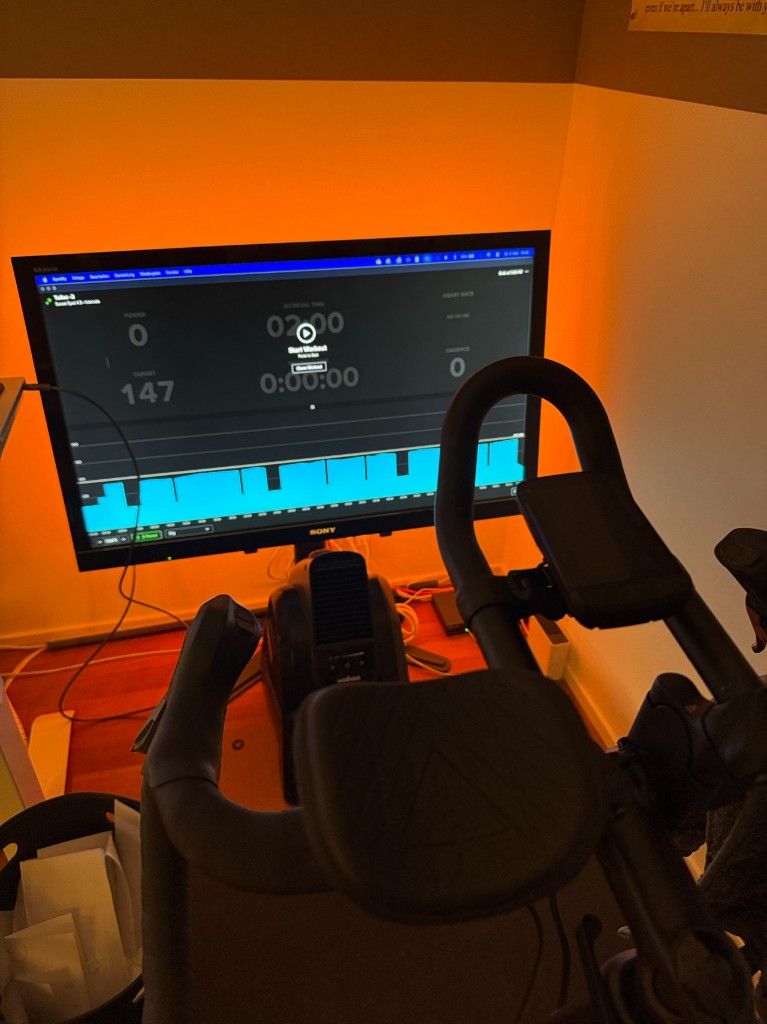
Time is the hardest currency. Next to a job well above 100% FTE, smart structured training raised my performance by over 30% in two years—without burning every night. Here is the short roadmap.
From rigid plans to AI-style control
My structured journey started classically with myProCoach plans inside TrainingPeaks. Solid, but not very dynamic. The first real tech leap was Xert.
Xert is compelling because it breaks with old paradigms. The team uses its own metrics and “Smart Workouts” that adapt second by second to how the session unfolds. On the trainer, if you realise you are having a great day, the system responds dynamically. The catch: you have to go to the limit regularly to keep the power metrics calibrated. That takes mental effort, but the data is extremely precise.
The game changer: TrainerRoad (2026 update)
For three years I have run two tracks in parallel, comparing Xert with TrainerRoad while still glancing at daily Garmin suggestions.
In February 2026 TrainerRoad shipped a major update that significantly refined AI-based FTP (functional threshold power) estimation. For me it is the tool of choice right now. Training for the Alpenbrevet 2025 showed I had never been that fast—on any terrain. The gains are not just a feeling; they are clearly measurable.
Hardware and focus: what you actually need
Two things are essential for this level of efficiency:
- A power meter on every bike: if you do not measure, you cannot steer.
- Focus on the right metrics: my head unit mostly shows three fields: 3-second power (watts), cadence, and time. Speed has become secondary—it depends too much on wind and terrain to reflect training quality.
My takeaway for time-crunched riders
Structured training is not magic, but it needs consistency. If time is tight, I recommend:
- A smart trainer for winter or quick post-work sessions.
- TrainerRoad (or Xert if you want to go deep on metrics) as the digital brain.
- The discipline to finish intervals even when the sofa calls.
I raised performance by more than 30% by training less—but far smarter. After a season on this path, you may not recognise yourself in the mirror (or on the Strava segment).